Toile De Jouy Vintage Kitchen: A Timeless Design Element
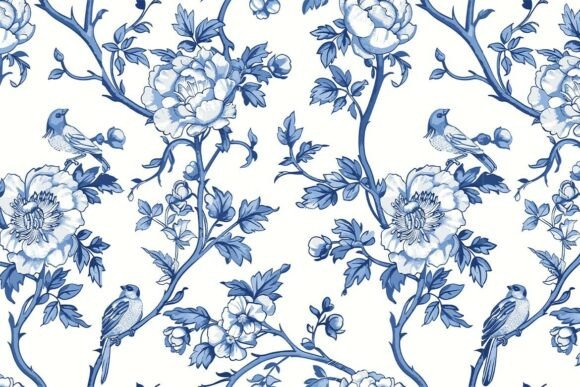
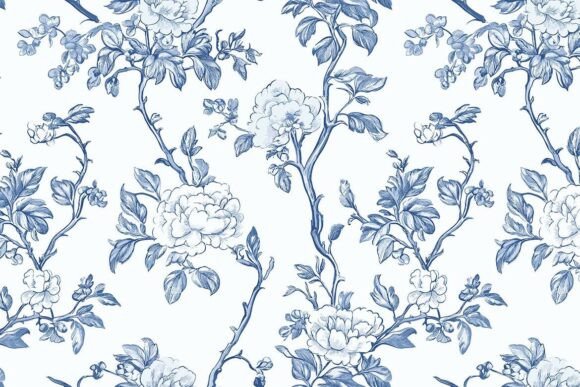
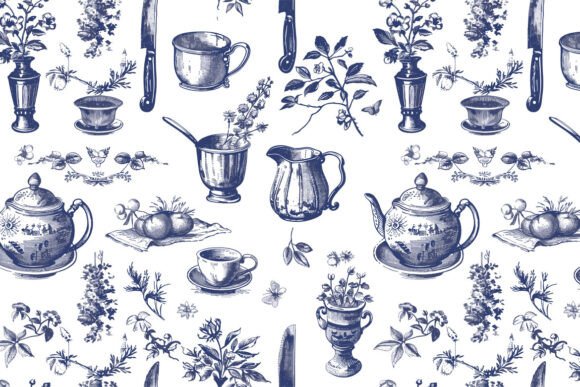
Graphic designers who seek to blend classic charm with contemporary aesthetics often turn to the Toile De Jouy Pattern Vintage Kitchen for inspiration. This design motif, rooted in French heritage, offers a unique combination of whimsical florals, romantic scenes, and delicate kitchen utensils that evoke a sense of nostalgia and sophistication. When applied thoughtfully, it can transform a project from ordinary to extraordinary, making it a valuable asset in both print and digital environments.
What Is Toile De Jouy?
Originating in 18th-century France, Toile De Jouy is a style of printed cotton fabric known for its pastoral imagery on a white background. Traditionally featuring hand-drawn scenes of rural life, these patterns have evolved to include stylized elements like vintage kitchen tools, wildflowers, and soft color palettes. The modern interpretation, such as the Toile De Jouy Pattern Vintage Kitchen, preserves this elegance while adapting it to suit current design trends and digital workflows.
Why It Matters in Graphic Design
The enduring appeal of Toile De Jouy lies in its ability to communicate warmth, tradition, and refinement. In visual design, it serves as a powerful storytelling tool—perfect for brands aiming to convey a cozy, artisanal, or home-centric identity. Whether you're crafting marketing materials, designing packaging, or enhancing website visuals, this pattern can elevate your creative output with a touch of timeless grace.
Applications Across Creative Projects
Integrating Toile De Jouy into branding efforts can help create a cohesive and memorable brand identity. For example, using a Vintage Kitchen Toile de Jouy pattern in logo design or business cards can establish an authentic, nostalgic tone. Similarly, marketers can leverage this aesthetic in promotional assets such as brochures, flyers, and banners to stand out in a crowded marketplace.
For social media graphics, especially those targeting lifestyle or food-related content, Toile De Jouy adds a layer of charm that resonates well with audiences looking for curated, high-quality visuals. Its romantic and decorative nature fits seamlessly into editorial layouts, helping to frame content in a visually appealing and thematic way.
- Web & UI/UX Design: Use subtle Toile De Jouy accents in backgrounds or buttons to add character without overwhelming the interface.
- Packaging Design: Incorporate the pattern on product boxes, jars, or labels to evoke a sense of quality and craftsmanship.
- Advertising Campaigns: Apply the design to posters or ads for culinary products, home goods, or luxury lifestyle brands.
Design Tips for Using Toile De Jouy Effectively
While the Toile De Jouy Pattern Vintage Kitchen is undeniably beautiful, its successful application depends on thoughtful implementation. Here are some key considerations:
- Maintain Visual Hierarchy: Avoid placing the pattern over text-heavy areas. Instead, use it to highlight sections or accentuate design elements.
- Scale Wisely: Since it’s offered in vector format, you can easily resize it without losing quality. Ensure that intricate details remain legible at any scale.
- Balance Color Schemes: Opt for muted pastels or soft neutrals to keep the design elegant. Vibrant hues might clash with the gentle, romantic feel of the pattern.
- Ensure Brand Compatibility: If you’re integrating this into an existing brand system, test how it interacts with your typography and primary colors.
Enhancing User Experience with Delicate Motifs
In UX design, the right visual elements can significantly enhance user engagement. The Toile De Jouy Pattern Vintage Kitchen, when used sparingly, can guide users’ attention through a layout by creating contrast and visual interest. For instance, applying it to section dividers or page headers can subtly reinforce a theme while maintaining usability.
Its seamless nature also makes it ideal for tiling across backgrounds in web and app interfaces. Unlike busy textures, Toile De Jouy maintains clarity and doesn’t distract from the main content, which is essential for professional presentations and clean digital products.
Creating a Harmonious Composition
When working with Toile De Jouy in graphic design projects, consider how it complements other visual components. Pairing it with serif typography enhances the traditional vibe, while minimalist sans-serif fonts can balance it in more modern contexts. The pattern’s detailed composition works best with generous white space, allowing the design to breathe and ensuring readability remains intact.
Experiment with overlays and opacity settings to integrate the pattern into layered designs. You might find it particularly effective in background layers behind photography or illustrations, adding depth and texture without overpowering the foreground.
Bringing Sophistication to Merchandise and Print Materials
Merchandise such as aprons, mugs, and notebooks benefit greatly from Toile De Jouy motifs. The romantic and cozy feel aligns perfectly with lifestyle brands focused on cooking, baking, or home décor. High-resolution JPG images ensure that every detail—from tiny flourishes to the outlines of vintage kitchenware—is crisp and clear, even in physical form.
Print materials like menus, invitations, and seasonal cards can also be elevated by incorporating the Toile De Jouy Pattern Vintage Kitchen. These items become not just functional but emotionally engaging, capturing the essence of a brand’s story in a single glance.
Thoughtful design choices make all the difference in how audiences perceive your work. By selecting premium creative assets like the Toile De Jouy Pattern Vintage Kitchen, you invest in both visual appeal and meaningful communication. Whether you’re refining your brand identity or enhancing a specific project, let the romance and elegance of this pattern inspire your next creation.